The one thing that separates holiday entertainment that works from entertainment that empties the room
A company holiday party is not a show. It is a room of people who work together, know each other unevenly, and have about three hours to feel like a group. The entertainment either helps that happen or gets in the way of it.
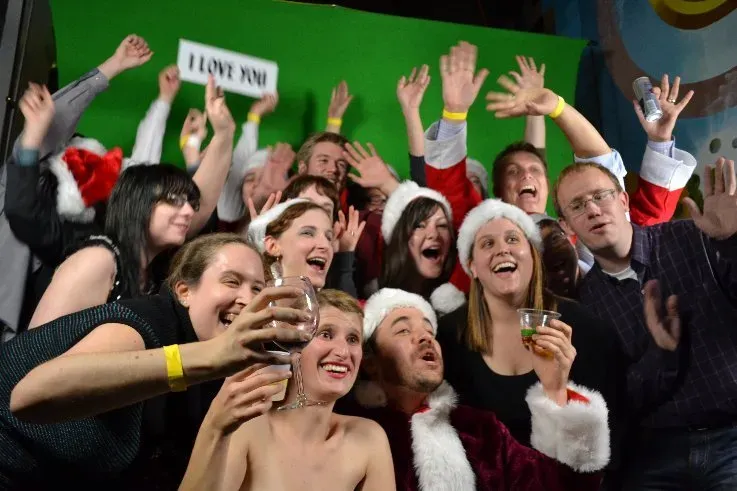
That single test explains most of what we have watched succeed and fail across fifteen years of December events. Entertainment that creates an audience tends to underperform at a corporate party, because an audience is passive and the conversation stops. Entertainment that creates participants tends to overperform, because a line is a conversation, and two colleagues from different departments waiting their turn together is exactly the outcome the party exists for.
We produce the photo and video side of these nights, so we have an obvious interest here. The useful thing we can offer is not the pitch, it is the pattern: we have run 500+ premium activations and a large share of them were company holiday parties, mostly across the San Francisco Bay Area and Sacramento, and the same handful of things go right and wrong every year.
The rule, if you only take one thing from this page.
Pick entertainment that gives a stranger a reason to stand next to another stranger and do something. Everything else is decoration.
What holds a December room
1. An activation that hands people something physical
A printed keepsake is the most durable thing you can put in a room, and December is the one month it matters most, because the party is competing with four other parties and a person's memory of it is thin by January. A flipbook studio hands every guest a small printed book of themselves that animates when they flip it. Guests record about seven seconds, and the finished book is in their hands in about ninety seconds.
The reason it works at a company party specifically: the recording is a performance, so the people waiting become an audience for their colleagues, and then they take their turn. It builds its own energy without a host telling anyone to have fun. And the book sits on a desk for years, which is the only holiday party entertainment we know of that is still doing work in March.
2. A green screen video that puts the room somewhere else
Decor budgets can suggest a theme. Green screen video can actually deliver one, because the environment is filmed rather than built. If the theme is a ski chalet, a 1920s speakeasy, or a red carpet premiere, guests can star in that world instead of standing in a hotel ballroom that has been dressed to hint at it. Clips land on their phone in seconds, which is when people actually share things.
For the holidays specifically we run Santa's Super Sleigh Ride. There is no physical sleigh in the room. Guests step in front of the camera and we composite them into Santa's sleigh, mid-flight over a snowy landscape, live on the monitor while they perform. It is silly in the right way, it reads on camera like a scene from a film, and it works for family parties and adult company parties equally. Our Bay Area holiday party page shows what it looks like.
3. A 360 booth, if the crowd is dressed up
The 360 video booth is a content machine and it is at its best when people have made an effort with what they are wearing, which at a holiday party they have. Guests step onto the platform, a camera arm circles them, and the result is a slow, cinematic clip with the outfit and the energy captured in a way a photo cannot manage. Up to four guests ride at once and a new group goes about every minute, so it clears well over a hundred guests an hour.
One caution from experience: it runs best in about a 14 by 14 foot footprint with overhead clearance, and it is loud in the good sense. In a small private dining room it can dominate. In a ballroom or a brewery it is the right call. Smaller rooms are often still workable, so ask rather than ruling it out.
4. Roaming photography, for the parties where a station is wrong
Some holiday parties should not have a booth at all. A seated dinner for 80, an executive reception, an awards night with a program: in those rooms a station in the corner competes with the event. SpotMyPhotos roaming photography works the opposite way. Photographers move through the room, and every guest automatically receives their own photos on their phone through a private gallery, without hunting through a shared folder for themselves.
5. An AI photo experience, when the room has seen everything
For companies that have run a photo booth at every party for eight years, AI photo experiences are the format that gets a genuine reaction, because guests see a version of themselves they have not seen before. It also needs no physical green screen, which makes it the practical choice for tight rooms and offices.
Planning something like this? Send the date, the city, and roughly how many guests. We will come back with a configuration, the throughput math, and one all-in number with travel included. A real person answers, and there is no obligation.
What quietly does not work
Being direct about this is more useful than another list of ideas, and we have watched all four of these fail from inside the room.
- Anything that makes the whole room stop and watch. A hypnotist, a comedian, a magician doing a stage set. They can be excellent in the right context, and a company holiday party is usually the wrong one, because you have just converted a conversation into a seated audience and you will not get the energy back afterward.
- Games that assume people know each other. Trivia about coworkers, guessing games, anything built on inside knowledge. Half the room joined this year. The activity sorts the party into people who belong and people who do not, which is the exact opposite of the job.
- Forced performance in front of colleagues. Karaoke as the main event, dance competitions, improv participation. The embarrassment cost is different with coworkers than with friends. A handful of extroverts participate, everyone else watches uncomfortably, and it reads as a flop when it was really a bad fit.
- One booth for a big room. The most common and most avoidable mistake. A single station in front of 400 people produces a forty person line, and by the second hour the line is the thing people remember about the party. This is an arithmetic problem, not a taste problem, which is why we built the calculator below.
How many stations you actually need
This is the question every planner asks on the phone and almost no vendor answers on a page. Put your numbers in and it will tell you honestly, using the real hourly rates our equipment runs at.
How many stations does your event need?
The arithmetic every planner asks us on the phone. These are the real rates our equipment runs at, not marketing numbers.
At 70% participation that is about 175 guests to serve. One flipbook studio at up to 70 books per hour over 3 hours handles up to 210, so you have room to spare.
These are steady-flow ceilings. A real crowd arrives in waves, so treat the answer as the minimum that works and add a station if your guests all show up in the first hour. Roaming photography is the better answer when the math calls for more stations than your floor plan has room for. Tell us your numbers and we will size it with you.
The December calendar is the real constraint
Every year the same thing happens. Someone books a venue in early November for the second Friday in December, then starts looking for entertainment, and the good options are gone. Not because vendors are precious about it, but because there are only about six premium party dates in December and every company in the region wants three of them.
- The first two weekends of December are the most contested event dates of the year. In a normal year they are largely committed by mid-October.
- Weeknights, Tuesday through Thursday, in early December stay open much longer, cost less across every vendor category, and are genuinely easier to staff well. If your date is flexible, this is where the value is.
- Custom creative wants four to eight weeks. A themed flipbook cover, a branded winter environment, or a custom AI style are design work with proofs, not a switch we flip on site.
- Mid to late December loosens up again as companies break for the holidays, and January kickoff parties are an underrated slot that nobody competes for.
If you are still choosing a theme, our holiday party themes guide rates sixteen of them and names four that never work. For the full menu of December entertainment beyond photo and video, the corporate holiday party ideas guide covers twenty-five options with the same honesty as this page.
Where we work in December
We are California-based and December is almost entirely a regional month for us, which is why the advice above skews toward rooms we have actually stood in. The Bay Area is our busiest December market: downtown San Francisco hotel ballrooms, Silicon Valley campuses, Oakland restaurants and museums, Peninsula offices, and wine country venues in Napa and Sonoma. Sacramento is second, with a distinct institutional calendar of state agency, hospital system, and law firm parties. Travel is included in every quote with no separate line items, and we do travel nationally for December work when the calendar allows.
Looking for the product pages rather than the guide? See holiday party photo booth rentals and Christmas party photo booths, or running a Santa event or tree lighting, see how we run Santa photo events.
The specs, in one place
Everything a producer usually has to email and ask for. Copy it straight into a deck or a bid.
- Throughput. One flipbook studio produces up to 70 books per hour, up to 120 with a parallel cutting station. The 360 booth seats up to four guests and cycles a new group about every minute, well over a hundred guests an hour. We scale with stations.
- Footprint and power. Optimal is about 14x14 ft for a flipbook studio, about 10x10 ft for a green screen studio, and about 14x14 ft with overhead clearance for the 360 booth. Those are comfortable working sizes rather than hard minimums, and we make smaller rooms work regularly. Send the venue or a floor plan and we will confirm what fits. Standard 110v outlets.
- Connectivity. Venue Wi-Fi is our first choice and usually the best option. We carry cellular hotspots as backup, and for venues where connectivity is a known problem we can arrange a dedicated data option. Tell us the venue and we will sort it out ahead of the event.
- Insurance and compliance. Full general liability. Certificates of insurance issued directly to your venue, and we handle load-in windows, union protocols, and security requirements.
- Crew. Trained W-2 staff, not gig workers, running each station and managing the line.
- Lead time. Four to eight weeks is comfortable for design, proofs, and venue coordination. Q4 and the May to June school season fill first. Short timelines are worth asking about.
- Travel. Included in the quote. No separate line items, in any market.
- Reporting. Content created, delivery counts, share activity, opted-in contacts where capture is part of the program, plus the full branded content library.
Frequently Asked Questions
The entertainment that works at a company party has to pass one test: it has to give people who do not know each other well a reason to stand next to each other and do something. That is why photo and video activations consistently outperform a hired performer at a corporate holiday party. A performer makes an audience, and an audience is passive. A flipbook studio, a green screen video setup, or a 360 booth makes participants, and participants talk to each other in line. For a room of 100 to 300 people, one strong participatory activation plus good music holds a night better than three passive acts.
Work backwards from your run time and headcount rather than guessing. A flipbook studio produces up to 70 finished books per hour on a single cutting station and up to about 120 with a parallel station. Green screen video runs 40 to 60 videos an hour per studio because nothing prints. A 360 booth seats up to four guests and cycles a new group about every minute. Take your guest count, assume 60 to 80 percent of the room will participate over the night, and divide by the hourly rate to see how many stations clear the crowd without a line becoming the story of the party. The calculator on this page does the arithmetic for you.
For 30 to 60 people, one activation is plenty and the room does the rest. A flipbook studio is the strongest pick at that size because the whole party ends up watching each other perform, and every person leaves with a printed keepsake. Avoid anything that needs a stage or a schedule at a small party, because it interrupts the conversation that a small party is actually for.
Earlier than most people expect. The first two weekends of December are the most contested event dates of the year, and good vendors are largely committed by mid-October. Custom creative such as a themed flipbook cover or a branded winter scene wants four to eight weeks for design and proofs. Weeknights in early December stay open much longer and are easier to staff well, so a flexible date is worth real money.
Three things reliably underdeliver. Anything that requires the whole room to stop and watch, because a company party is a conversation and interrupting it costs you the energy you were trying to build. Anything that needs people to already know each other, because half your room does not. And anything with a high embarrassment cost, such as forced performance in front of colleagues, because participation collapses and then the activity looks like a failure rather than a bad fit.
For a hybrid party, the strongest approach is to make the in-person room produce content the remote team actually receives. Our digital delivery sends every clip and photo to a phone within seconds and collects everything in a shared gallery, so remote colleagues see the party as it happens rather than in a recap deck the following week. A fully virtual party is a different problem and we are not the right vendor for it.
Other Popular Packages for 2026:
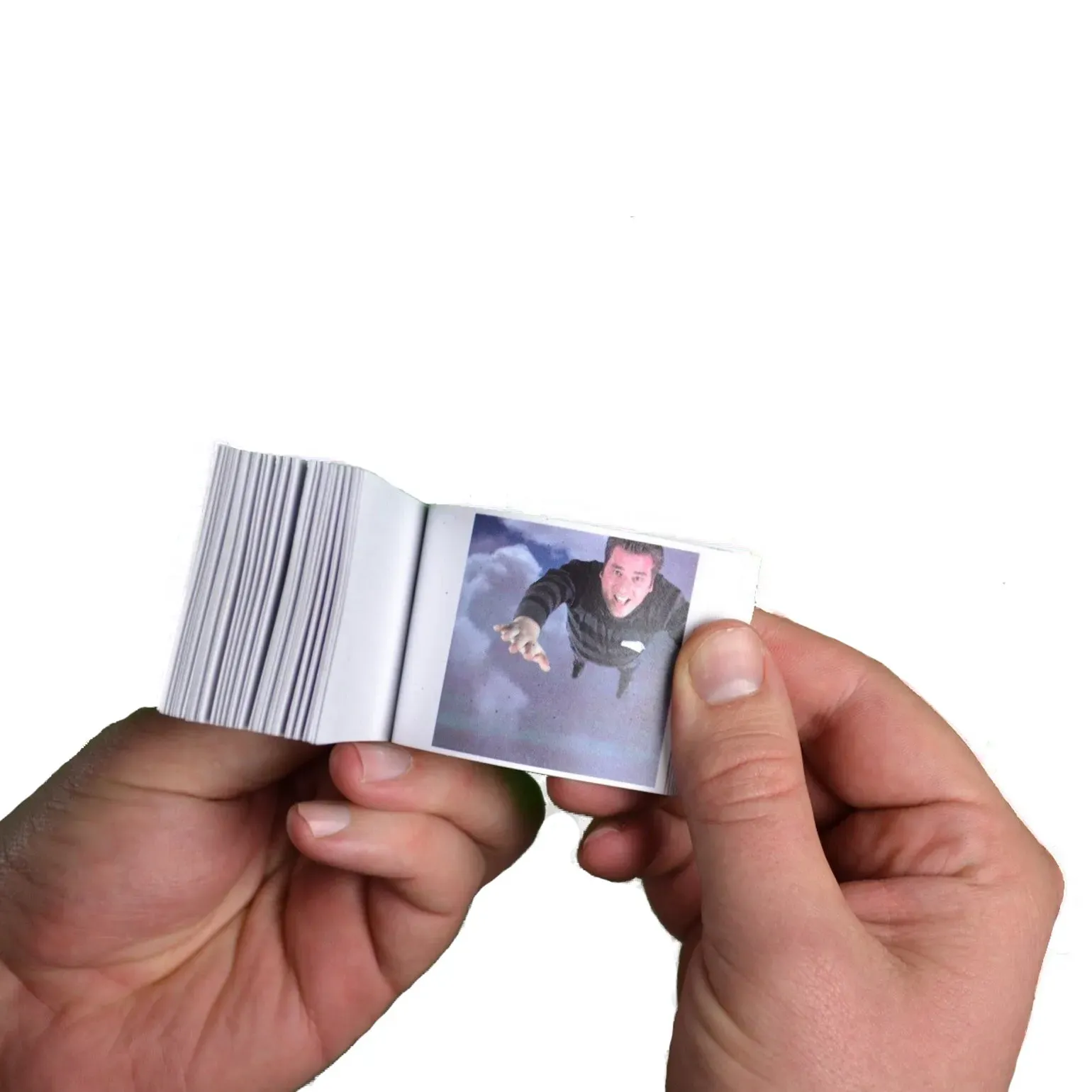
Action Flipbooks
The premium physical takeaway. 60-page animated flipbooks, printed on the spot.
AI-Powered 360 Photo Booths
AI-powered 4D immersive video with cinematic edits, delivered to guests instantly.
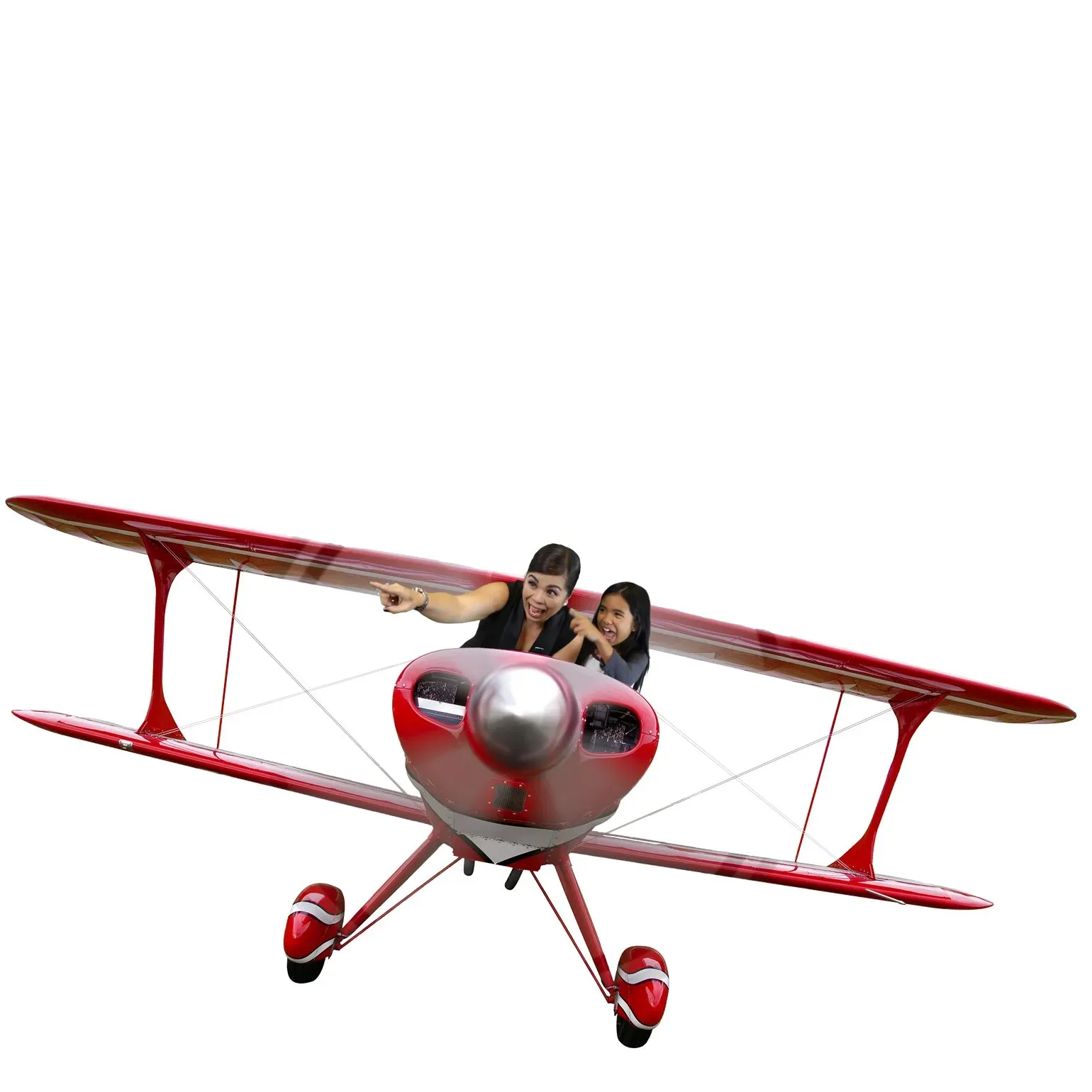
Green Screen Video
Guests star in custom mini-movies with branded environments and sound.
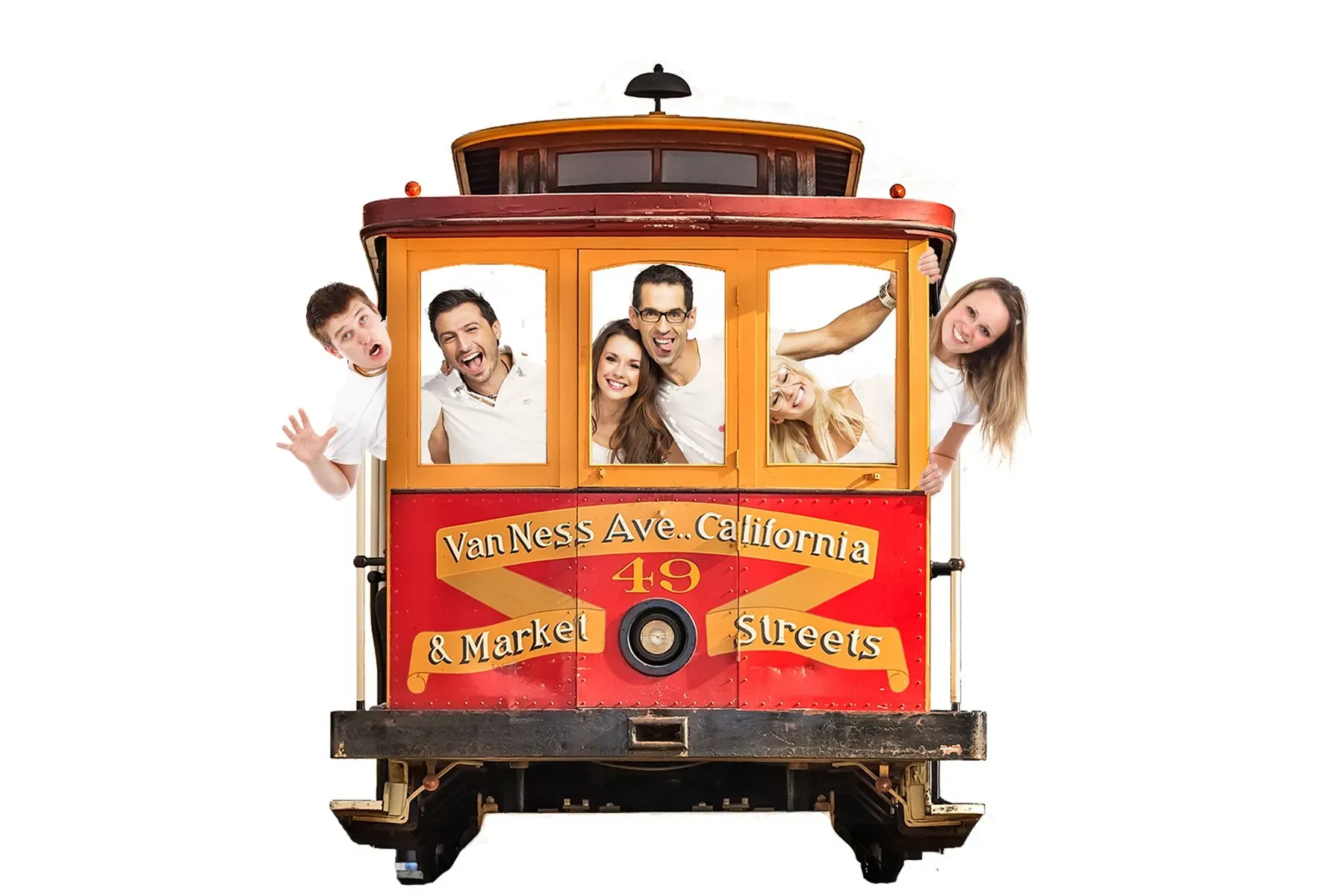
Green Screen Photos
Custom backgrounds, branded frames, printed or delivered digitally.

SpotMyPhotos
Roaming photographers deliver every guest their photos privately, in real time.
AI Photo Booths
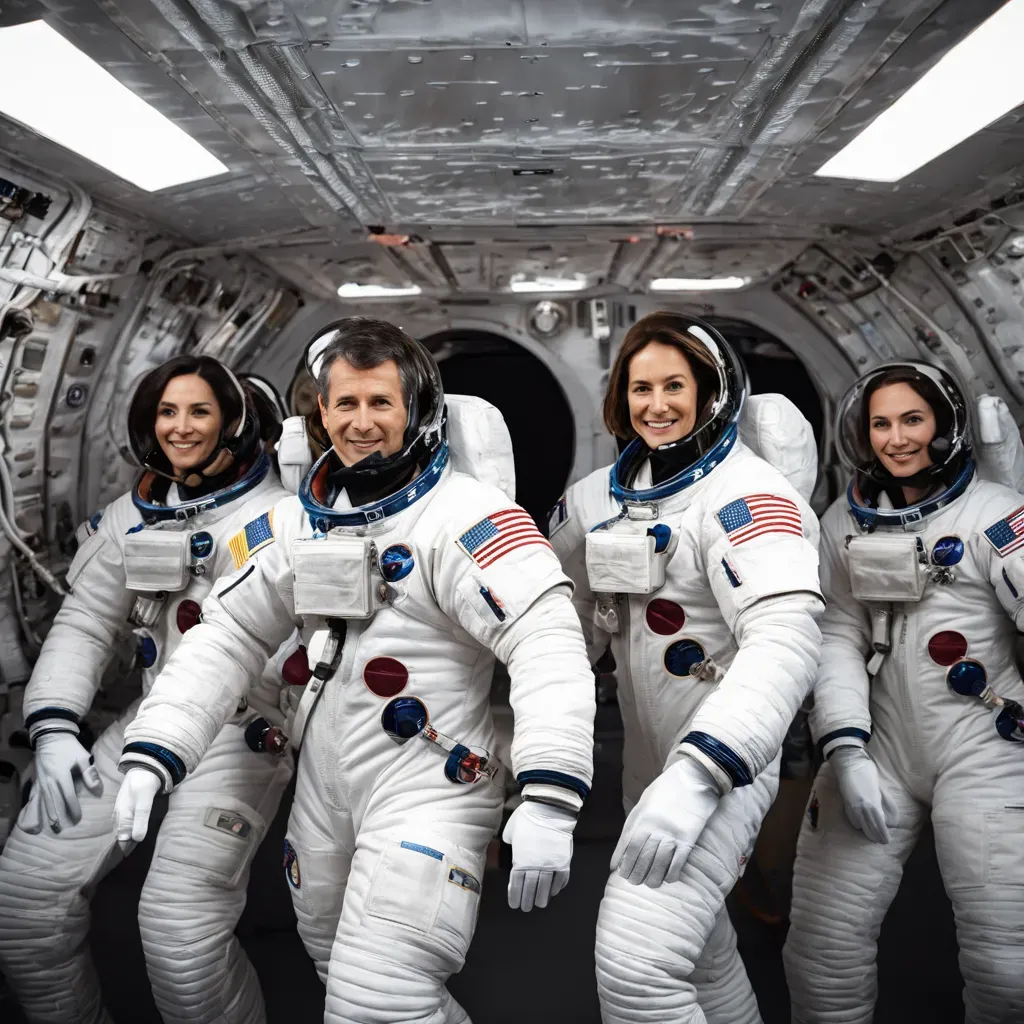
Transform guests into works of art with AI-powered photo experiences.
More December planning: Holiday party photo booths · Bay Area holiday parties · Christmas party photo booths · Holiday party themes · 25 corporate party ideas · Santa photo events