A holiday party for 20 to 50 people has an advantage a big party does not: everybody can actually talk to everybody. It also has a trap. Entertainment designed for a crowd falls flat in a small room, because there is no crowd to carry it.
This is what works for small companies, departments and teams, based on the kinds of parties we work in offices, restaurants, breweries and private rooms.
What does not scale down
- A DJ and a dance floor. With 25 people a dance floor feels like a stage. Unless your team really wants to dance, skip it or keep the music low.
- A big program. Long speeches and awards read as a meeting. Five minutes of thanks is plenty.
- Competing stations. Three activities in a small room split the group into awkward clusters.
What works
- One strong shared activity. A group game, a tasting, a trivia round that mixes teams. It gives people a reason to talk to colleagues they do not usually sit near.
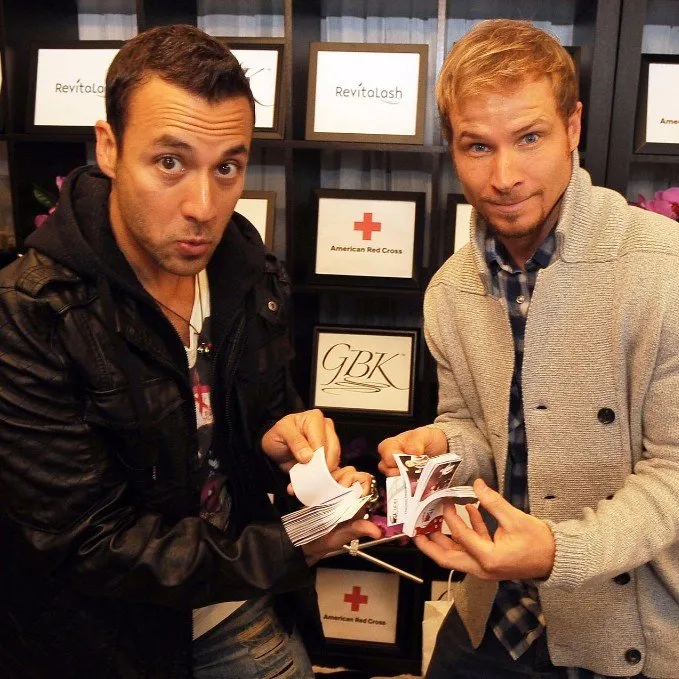
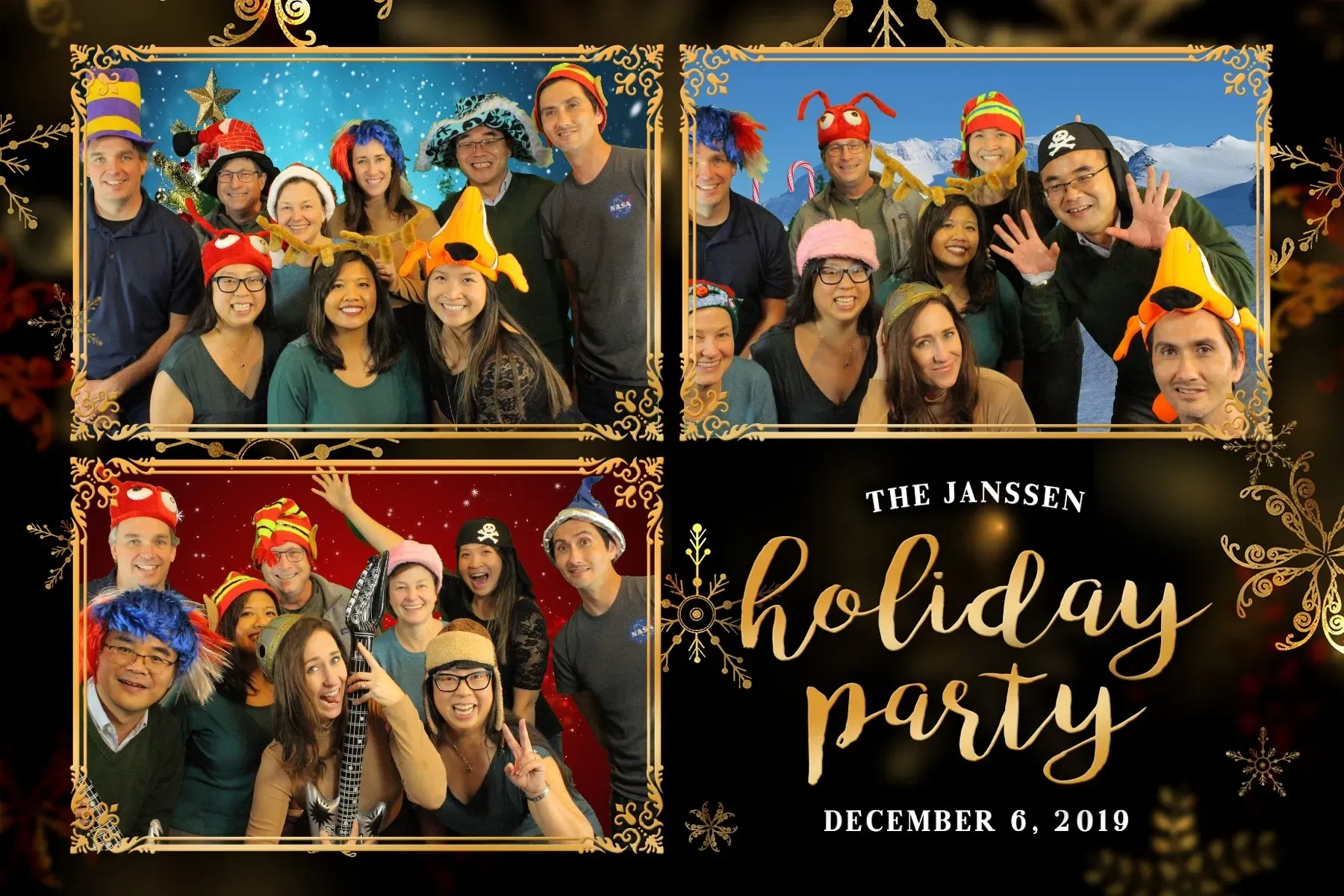
- A photo or video experience that everyone does. In a small group, nearly every person will take part, which is not true at 300. A flipbook studio or a green screen photo station becomes the thing the whole team does together, and each person leaves with a keepsake. At this size a single station with one cutter is plenty: it handles up to 70 books an hour, far more than a small party needs.
- Seating that mixes people. A seating plan, even a loose one, breaks up the usual cliques.
- A gift or recognition moment. Small teams can do this personally. A handwritten note from the founder or manager lands better than a gift card.
Space and logistics
Small parties often happen in unusual spaces: a conference room, a back room, a rooftop. Our usual footprints are optimal sizes, not hard minimums: about 10 by 10 feet for green screen photos, and about 14 by 14 feet for a flipbook studio or 360 booth. Smaller spaces are often workable, and we regularly adapt. Tell us the room and the headcount and we will say what fits.
If your venue is a restaurant, ask whether they allow outside vendors, how early we can load in, and where we can plug in. Venue wifi is our first choice for delivery, with hotspots as backup.
Timing
Small teams have more flexibility, which is an advantage. Weekday lunches and early evening events are easier to book than a December Saturday night, and they fit around family schedules. If you are flexible on the day, ask us what is open.
Budget mindset
For a small party, the question is usually how to spend on a few things well instead of spreading across many. Our guide to holiday party budgets covers the split, and our company holiday party ideas has more activities to choose from.
Small team, small room? That is a normal request for us. Tell us the date, the city and the headcount, and we will tell you what fits.
Frequently Asked Questions
One strong shared activity plus a photo or video experience everyone does. In a group under 50, nearly every person takes part, so a flipbook or green screen station works better than it does at a large party. Skip a dance floor and a long program unless your team wants them.
A green screen photo station is optimal at about 10 by 10 feet and a flipbook studio at about 14 by 14 feet. Those are comfortable sizes rather than minimums, and smaller rooms are often workable. Describe the space and we will confirm.
Yes. We regularly work smaller events, and a single station is plenty for a small group. Tell us the date, the city and the headcount for a custom quote.
As soon as the date is set. Small teams can often book weekday lunches or early evenings that are easier to schedule than a December Saturday night, so be flexible if you can.
More from the Blog
What Disney, Google, and Netflix Know About Experiential Marketing
Read more →
Flipbook Photo Booth: The Ultimate Interactive Event Experience
Read more →
Why Smart Brands Turn Event Attendees Into Micro-Influencers
Read more →