The plain definition
A brand activation is a live, in-person experience built to make people feel something about a brand and then act on it. Stop at the footprint, step into the experience, hand over an email, post the content to their own feed. It is not a banner, a sponsorship logo on a step-and-repeat, or a table with branded pens.
The defining trait is participation. In advertising, the audience watches. In an activation, the audience does something. That difference is the whole point, because a person who participated remembers the brand differently than a person who was shown the brand, and they will tell other people about it without being asked.
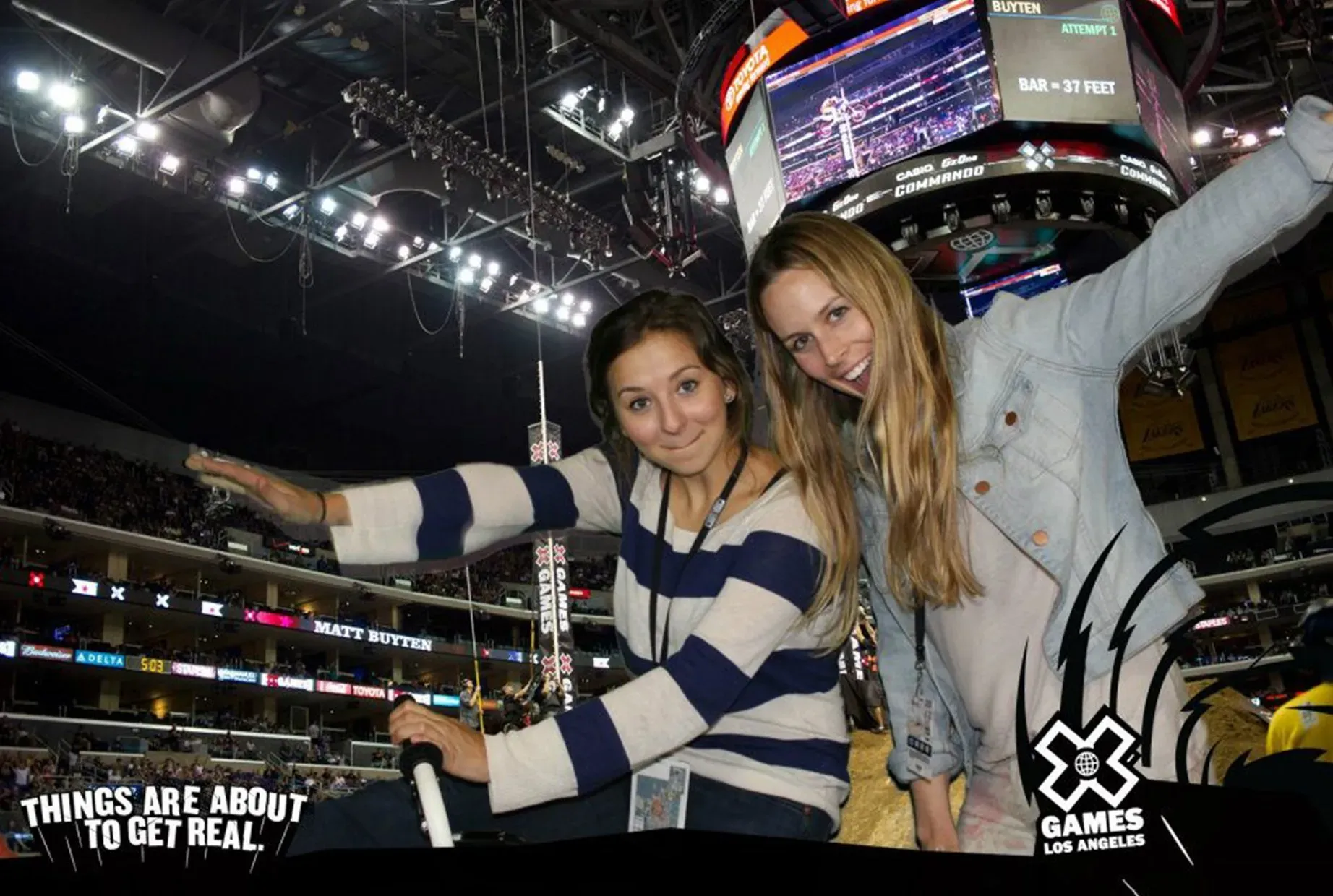
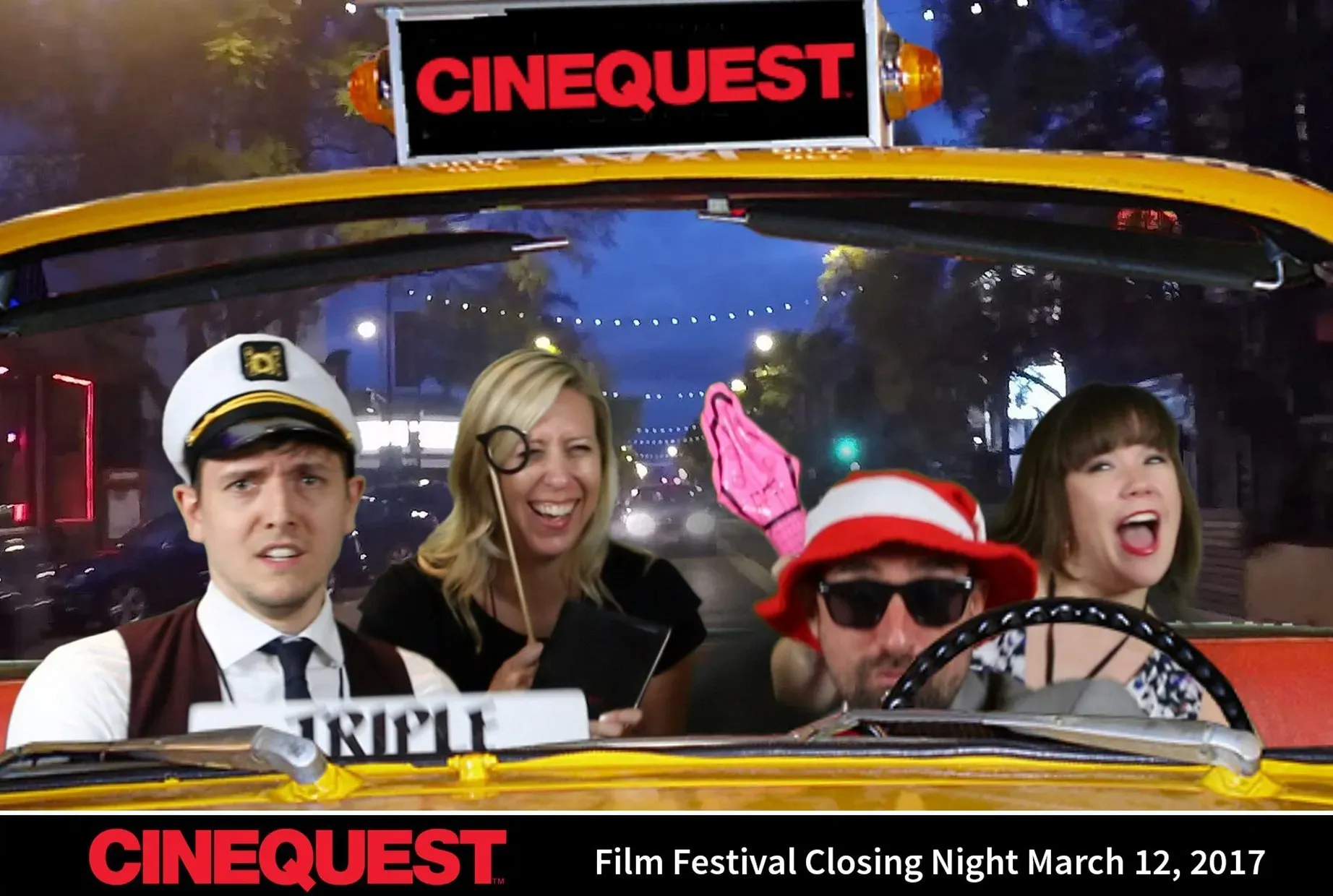
We have been producing the photo and video side of activations for 15+ years, more than 500 of them, for brands including Disney, Google, Netflix, Marvel, Microsoft, LinkedIn, Adobe, and Sony PlayStation, and for the experiential agencies that produce on their behalf. This page is the version we would give a marketing manager who just got handed the line item and has to make sense of it.
Brand activation vs experiential marketing vs event marketing
These get used interchangeably and the distinction is softer than the internet pretends, but it is worth getting straight because it changes who you hire.
- Experiential marketing is the discipline: marketing through lived experience rather than through messaging. It is a strategy, not a thing you book.
- A brand activation is one execution of that strategy. One campaign, one footprint, one moment where an audience participates. It has a date and a location.
- Event marketing usually means marketing that happens at an event you did not build, like sponsoring a conference. An activation is what you put inside that sponsorship to make it do something.
In practice: a brand runs an experiential campaign, which includes activations at a trade show, a festival, and a five-city tour. The activation is the unit you actually scope, budget, and staff.
Planning something like this? Send the date, the city, and roughly how many guests. We will come back with a configuration, the throughput math, and one all-in number with travel included. A real person answers, and there is no obligation.
The formats, and what each is actually good at
"Brand activation" covers a lot of ground. These are the formats you will encounter, with an honest note on where each one earns its cost.
Content-capture activations
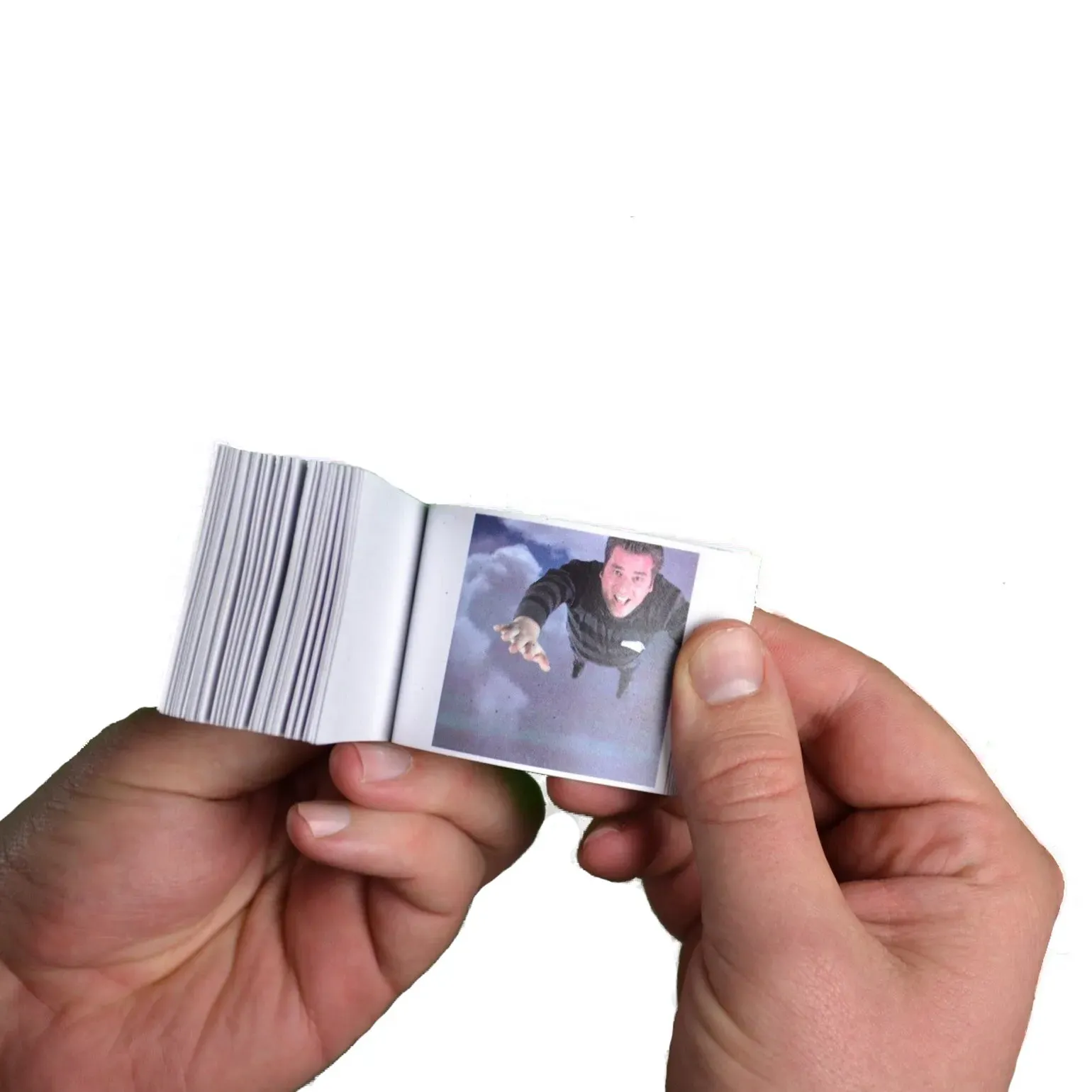
Guests create branded photo or video of themselves and take it with them. This is the category we produce, and its advantage is that the output travels: every guest becomes a distributor. Green screen video puts guests inside a branded world, film, or product spot. A flipbook studio hands them a printed, bound keepsake in about 90 seconds that sits on a desk for months. AI photo activations rebuild guests inside a brand-trained visual world. A 360 video booth produces the high-energy clip that performs on social.
Sampling and trial
Getting the product into hands. Effective for consumables and anything where trial drives purchase; weak when the product needs explanation, because a sample with no experience around it is just a giveaway.
Pop-ups and installations
A temporary branded space. Strong for launches and for earned media, expensive per person reached, and highly dependent on foot traffic you do not control.
Trade show and conference footprints
The most measurable category, because badge scans and captured contacts are countable. The failure mode is a beautiful booth nobody stops at. See trade show activations and conference production.
Mobile and multi-city tours
The same activation, repeated across markets. Economics improve after the build is amortized, and consistency becomes the hard part. See how we run multi-city tours.
What separates an activation that works from one that just looks busy
After a few hundred of these, the pattern is consistent, and almost none of it is about the budget.
- There is a reason to participate that is about the guest, not the brand. People do not queue to receive marketing. They queue for something they want: to look good, to be the star, to get something they cannot get elsewhere. The brand rides along.
- The output is worth keeping or posting. If what a guest walks away with is disposable, the activation ends when the event ends. If it is genuinely good, it keeps working in feeds and on desks for months.
- Throughput matches the traffic. The most common failure we see is an activation sized for half the crowd it gets. A line that stops moving converts curiosity into resentment. This is production math, not guesswork: a flipbook studio produces up to 70 books an hour on a single cutting station and up to 120 with a parallel station; a 360 booth cycles a new group about every minute. You size stations against expected traffic before you sign anything.
- The capture is the data. When delivery happens by text or email, every handoff is an opted-in contact captured at peak engagement. An activation that produces content but no contacts has thrown away half its value.
- Somebody good is running it. Great crew on adequate equipment beats great equipment with a bored operator, every single time. The person at the front of the line determines whether there is a line.
How activations are actually measured
This is where the category earns its skepticism, because a lot of published activation numbers are estimates dressed as measurements. The figures that hold up:
- Participation: how many people engaged, not how many walked past. Countable.
- Content created: the number of pieces produced. Countable.
- Share rate: the share of guests who posted what they made. Ours run high, often up to 50 to 70 percent, because the output is something people want on their feed.
- Opted-in contacts: real records with consent, the number a sponsor or sales team can act on.
- Cost per genuine engagement, compared honestly against what the same spend buys in paid media reaching a colder audience.
Treat raw "impressions" carefully. It is usually a modeled number, and if a vendor cannot explain how it was counted, it is a guess. We hand over the branded gallery, delivery counts, and share activity so your recap uses numbers with a method behind them.
Who actually builds brand activations
Worth understanding before you scope one, because the industry does not advertise its own structure. A brand hires an experiential agency for strategy and creative. The agency brings in production partners for the specialist pieces: fabrication, staffing, technology, content capture. Local labor handles install in each market.
We are that production layer for photo and video capture. Sometimes a brand hires us directly; often we are white-labeled behind an agency and the guest never sees our name, which is exactly how it should work. Knowing the structure tells you two useful things: where markup sits, and who will actually be standing in your footprint on event day. Ask both questions of anyone you are considering.
What it costs
Costs vary widely with scale: a contained single-location pop-up, a produced activation at a major conference or flagship trade show, and a multi-city tour sit in very different ranges. The photo and video capture component we produce is custom quoted for each activation, whether it is full-scale or a single-station corporate booking.
Our 2026 brand activation cost guide breaks down what moves each number and where cutting hurts.
Where to go next
If you are scoping a specific activation, the brand activation formats page covers what we build and how each one performs. If you are an agency looking for a production partner, how we work with agencies answers the white-label, RFP, and multi-city questions directly. If you already know the shape of the thing, send us the brief with the date, the market, and expected traffic and we will come back with a configuration and a number you can put in a deck.
Frequently Asked Questions
A brand activation is a live, in-person experience built to make people feel something about a brand and then act on it: step into the experience, hand over an email, post the content to their own feed. It is not a banner, a sponsorship logo, or a swag table. The defining trait is participation. A person does something, rather than watching something, and walks away having had an experience they associate with the brand.
They overlap heavily and people use them interchangeably. In practice, experiential marketing is the broader discipline, the strategy of marketing through lived experience, and a brand activation is a specific execution of it: one campaign, one footprint, one moment where the audience participates. An experiential campaign might include several activations across a tour, a trade show, and a retail partnership.
Common formats include product sampling with a built experience around it, pop-up shops and installations, trade show floor activations, sponsorship footprints at festivals and sporting events, retail activations inside a store, mobile tours that travel city to city, and content-capture activations where guests create branded photo or video of themselves. The last category is where we work: green screen video where guests star in a branded film, flipbook studios that hand out a printed keepsake, AI photo experiences, and 360 video booths.
The metrics that hold up are participation (how many people actually engaged, not how many walked past), content created, share rate, opted-in contacts captured, and cost per genuine engagement compared against what the same money would buy in paid media. Impressions alone are the weakest number in the category because they are usually estimated. If a vendor cannot tell you how they count a number, treat it as a guess.
Costs vary widely with scale: a contained single-location pop-up, a produced activation at a major conference or flagship trade show, and a multi-city tour sit in very different ranges. The photo and video capture component we produce is custom quoted for each activation. Our brand activation cost guide breaks down what drives each number.
Usually more people than the brand realizes. A brand hires an experiential agency for strategy and creative; the agency subcontracts production partners for the specialist pieces, fabrication, staffing, and technology; and local labor handles install in each market. We are the production layer for photo and video capture, working both directly with brands and white-labeled behind agencies. Knowing this structure matters when you are scoping, because it tells you where markup sits and who will actually be standing in your footprint on event day.
Other Popular Packages for 2026:
Action Flipbooks
The premium physical takeaway. 60-page animated flipbooks, printed on the spot.
AI-Powered 360 Photo Booths
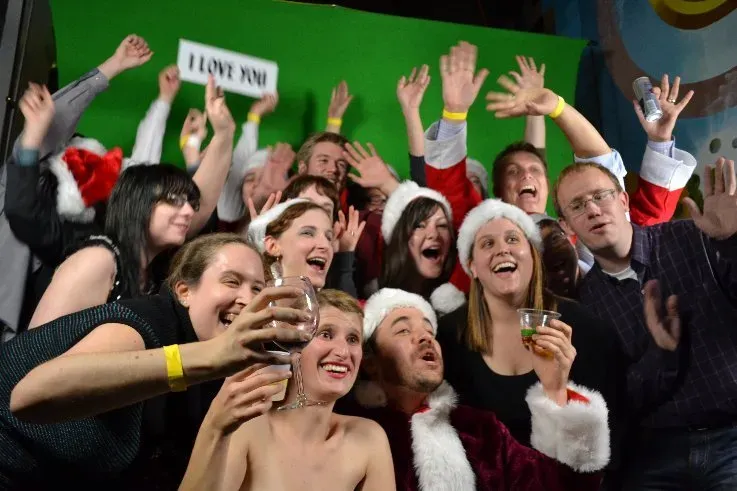
AI-powered 4D immersive video with cinematic edits, delivered to guests instantly.
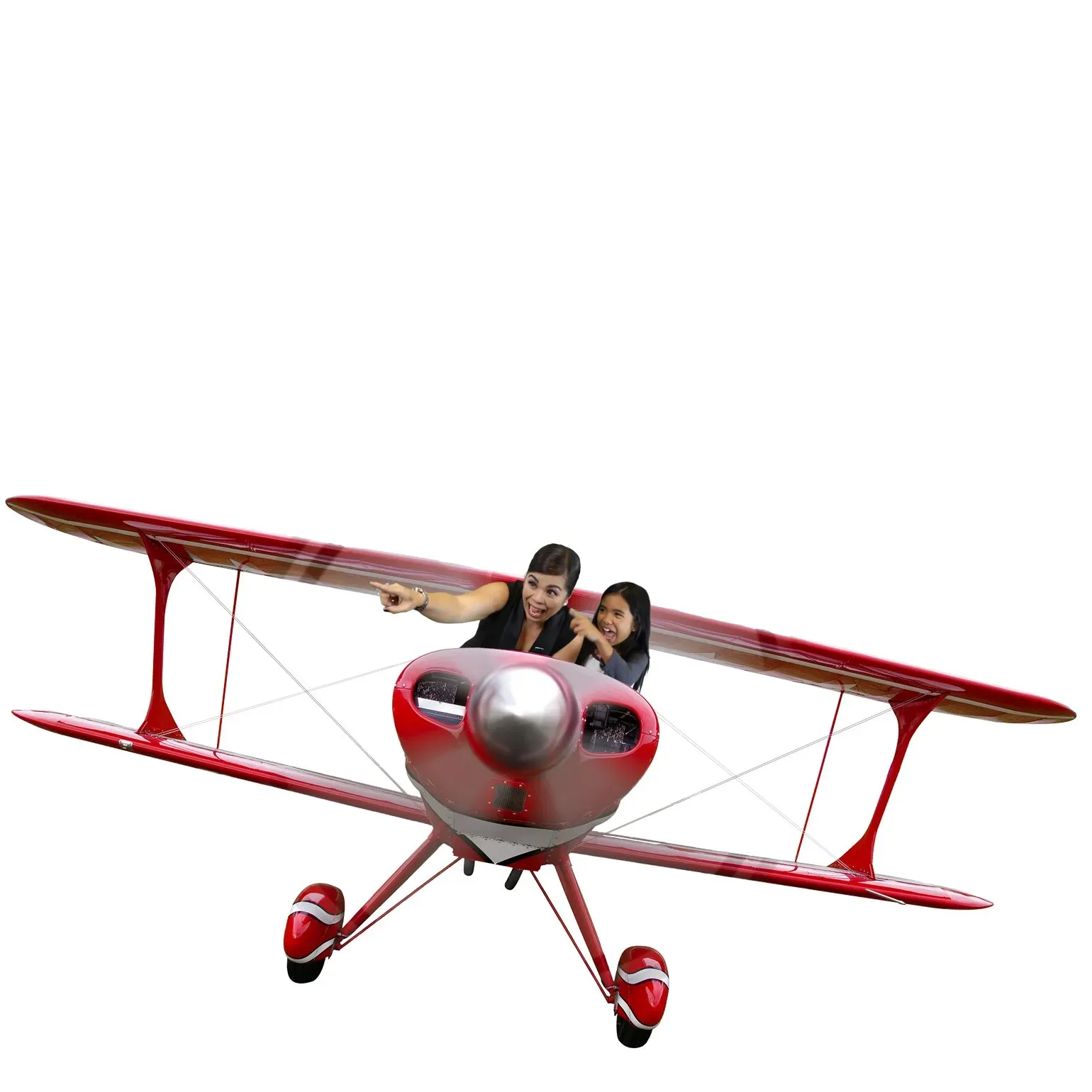
Green Screen Video
Guests star in custom mini-movies with branded environments and sound.
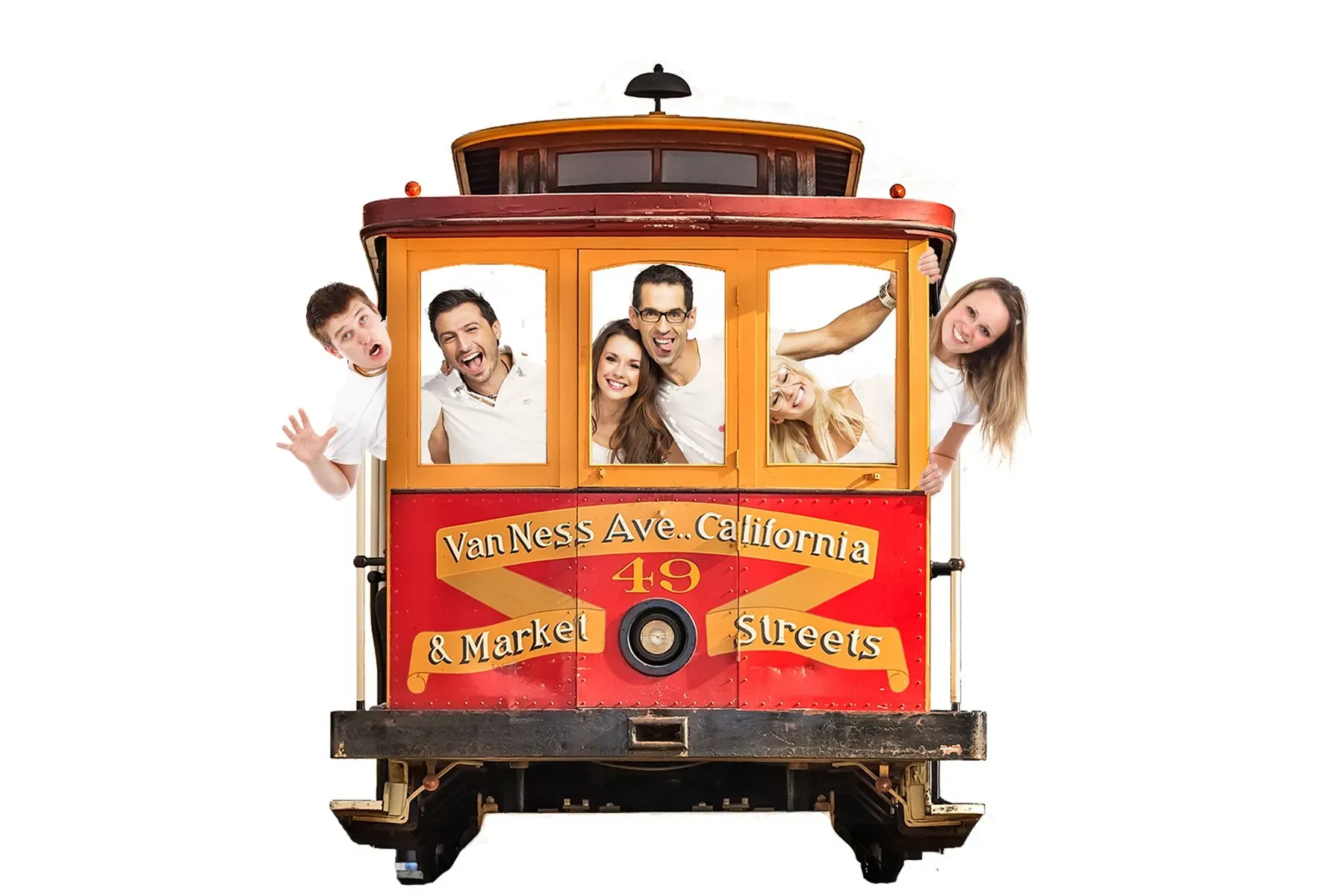
Green Screen Photos
Custom backgrounds, branded frames, printed or delivered digitally.

SpotMyPhotos
Roaming photographers deliver every guest their photos privately, in real time.
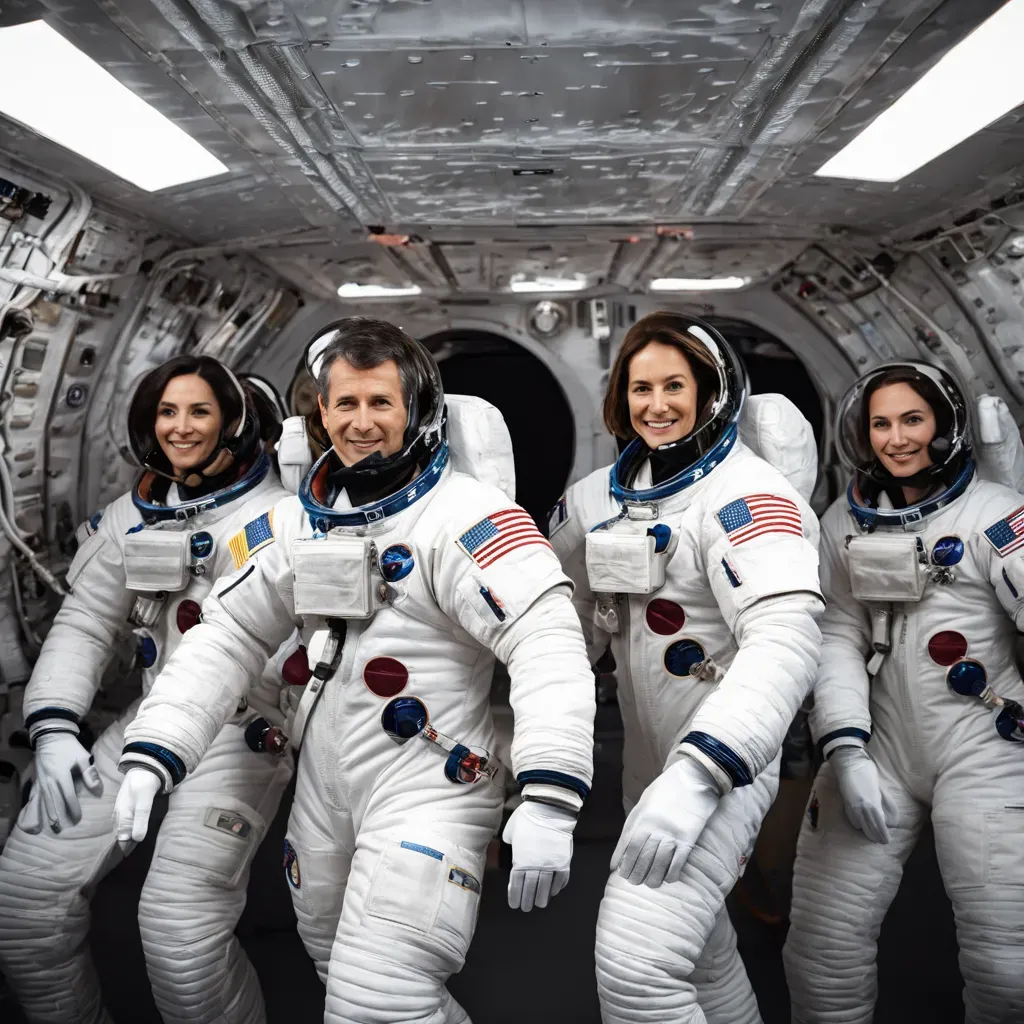
AI Photo Booths
Transform guests into works of art with AI-powered photo experiences.
For brands and agencies: What is brand activation · Brand activation formats · AI brand activations · For agencies · Multi-city tours · What it costs